

Table of Contents
ToggleBringing a newborn home is a joyful milestone, but it also introduces a period where safety, vigilance, and informed care are paramount. Today, families often engage a confinement nanny in Singapore to provide specialised postpartum support rooted in both tradition and modern best practices. At EliteMom & Me, the emphasis is on evidence-informed, safety-first caregiving that complements the needs of newborns and recovering mothers without replacing professional medical care.
This comprehensive newborn safety checklist is designed for confinement nannies working in Singaporean homes. It reflects local norms, housing realities, and health guidance, while focusing on practical actions that reduce risk and promote a calm, supportive environment during the confinement period.
Key Takeaways
- Newborn safety begins with consistent routines that prioritise hygiene, safe sleep, and attentive supervision throughout each day.
- Proper handling techniques and environmental awareness significantly reduce the risk of accidental injury in the home.
- Feeding and milk preparation safety require strict attention to cleanliness, temperature control, and storage practices.
- Infection prevention is critical during the first weeks, especially in high-density urban living environments like Singapore.
- Clear communication between parents and a confinement nanny helps ensure safety expectations are understood and followed.
Understanding the Role of a Confinement Nanny in Singapore
A confinement nanny in Singapore typically provides round-the-clock support during the early postnatal period. This role centres on safeguarding the newborn while assisting the mother’s physical recovery and managing daily routines within the home. Although confinement care is non-medical, the responsibility involved is significant because newborns are highly sensitive to environmental risks, infections, and improper handling.
A safety-focused approach to confinement care includes more than hands-on experience alone. A professional confinement nanny should consistently apply informed and cautious practices, such as:
- Following current infant care and hygiene guidelines relevant to newborn safety
- Recognising early signs of concern and knowing when to escalate issues to parents or qualified healthcare professionals
- Maintaining clear professional boundaries, especially in relation to health-related decisions
- Avoiding diagnosis, medical interpretation, or medication administration unless expressly directed by parents based on medical advice
By combining attentive daily care with sound judgement and communication, a confinement nanny helps create a safe, supportive environment during a newborn’s most vulnerable stage.
Safe Sleep Practices for Newborns

Safe sleep practices are a cornerstone of newborn safety, as improper sleep environments can significantly increase the risk of accidental harm during the early weeks of life.
Creating a Safe Sleep Environment
Safe sleep is one of the most critical aspects of newborn care. Infants should always be placed on their backs to sleep, on a firm and flat surface such as a cot or bassinet that meets safety standards. Soft bedding, loose blankets, pillows, and stuffed toys should be kept out of the sleep area to minimise the risk of suffocation.
In Singapore homes where space may be limited, it is especially important to avoid improvised sleep surfaces like sofas or adult beds. Room-sharing without bed-sharing is recommended, allowing close supervision while maintaining a safe sleep space.
Monitoring Sleep Without Overhandling
Newborns sleep frequently, but excessive handling during sleep can disturb rest and increase risk if done improperly. A confinement nanny should visually check breathing patterns and skin colour without repeatedly lifting or repositioning the baby unless necessary.
Proper Handling and Carrying Techniques
Because newborns lack muscle control and stability, correct handling and carrying techniques play a critical role in preventing accidental injury.
Supporting the Head and Neck
Newborns have limited neck muscle control. Every lift, carry, or transfer should involve firm support of the head and neck. This applies during feeding, burping, bathing, and changing.
A sudden slip or unsupported movement can lead to serious injury. Handling should be slow, deliberate, and free from distractions such as mobile phones or multitasking with hot items.
Safe Transitions Around the Home
Stairs, wet bathroom floors, and cluttered living areas present hazards. A confinement nanny should ensure pathways are clear before carrying a baby and avoid rushing, even when the infant is crying.
Feeding Safety and Milk Preparation
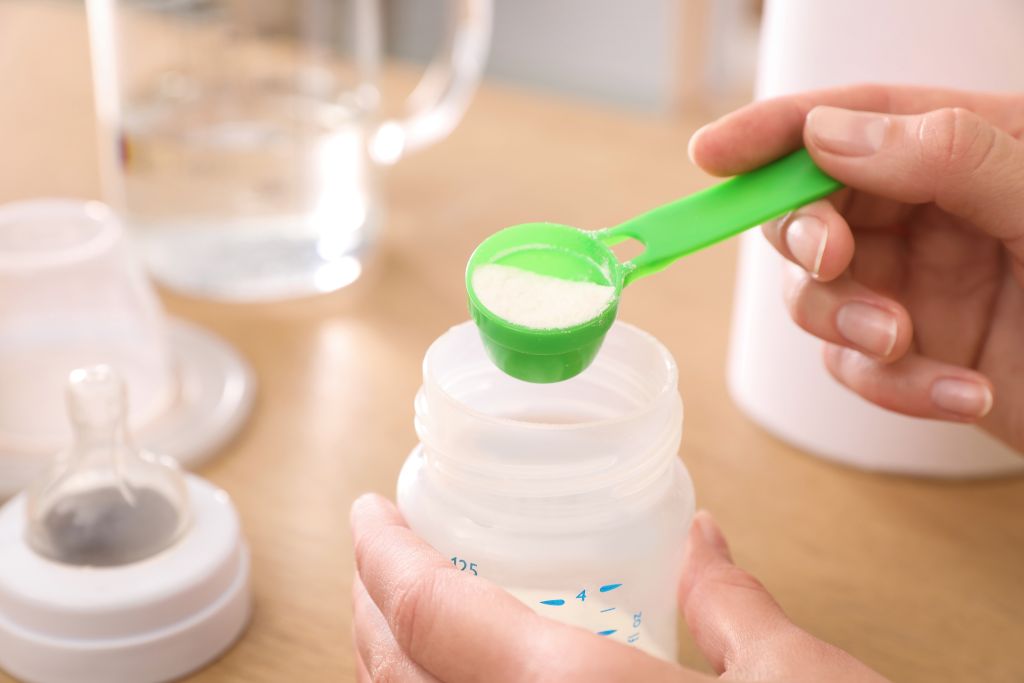
During confinement care, feeding safety and milk preparation require strict attention to cleanliness, handling procedures, and the baby’s feeding cues.
Breastmilk and Formula Handling
Whether feeding expressed breastmilk or formula, hygiene is essential. Hands should be washed thoroughly before handling bottles or pumping equipment. All bottles, teats, and pump parts must be cleaned and sterilised according to recommended practices.
Milk temperature should always be tested before feeding. Overheated milk can burn an infant’s mouth, while improperly stored milk can harbour bacteria.
Recognising Feeding Cues and Risks
A confinement nanny in Singapore should recognise hunger and satiety cues to prevent overfeeding. Feeding should never be forced. Babies should also be kept upright during and after feeds to reduce choking and reflux risks.
Bathing and Personal Hygiene Safety
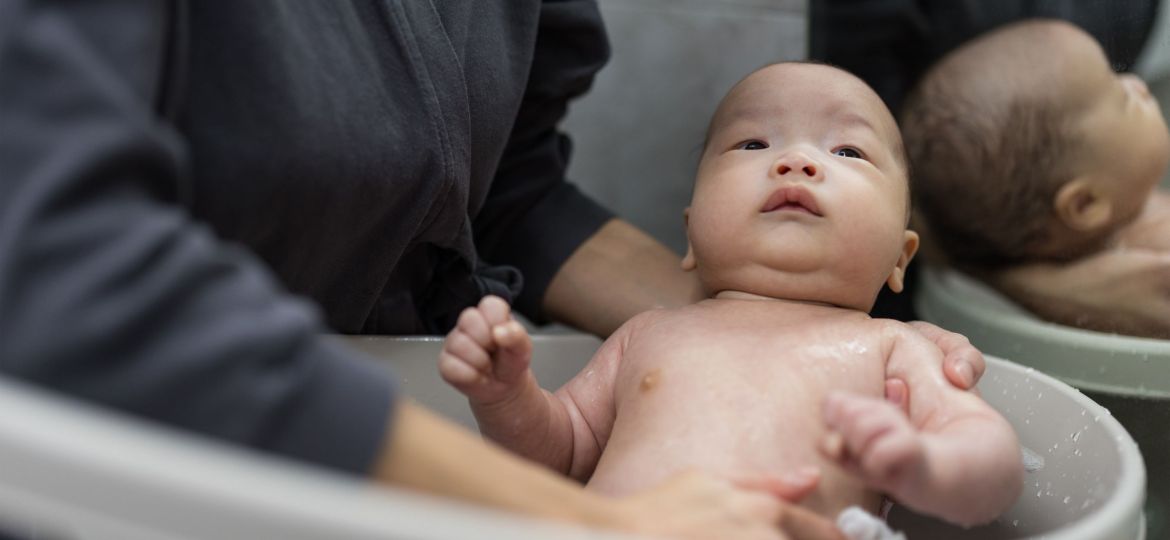
Within the confinement period, bathing and personal hygiene require careful preparation and constant supervision to ensure the newborn’s safety at all times.
Preparing a Safe Bathing Area
Before bathing begins, all supplies should be within arm’s reach. Water temperature must be comfortably warm, not hot. The baby should never be left unattended, even for a moment.
Non-slip mats and dry floors reduce the risk of falls, which is especially important in bathrooms with tiled surfaces common in Singapore homes.
Umbilical Cord and Skin Care
The umbilical stump should be kept clean and dry until it falls off naturally. No powders, alcohol, or traditional remedies should be applied unless advised by a healthcare professional. Gentle observation for redness, discharge, or odour is part of responsible newborn care.
Infection Prevention in the Home
Infection prevention in the home is critical during the newborn stage, as infants have immature immune systems and are more vulnerable to common germs.
Hand Hygiene and Visitor Management
Newborn immune systems are still developing. Frequent handwashing by anyone handling the baby is non-negotiable. Visitors should be limited during the confinement period, and those who are unwell should postpone visits.
A confinement nanny should politely but firmly uphold these boundaries in line with parental preferences.
Cleaning and Laundry Practices
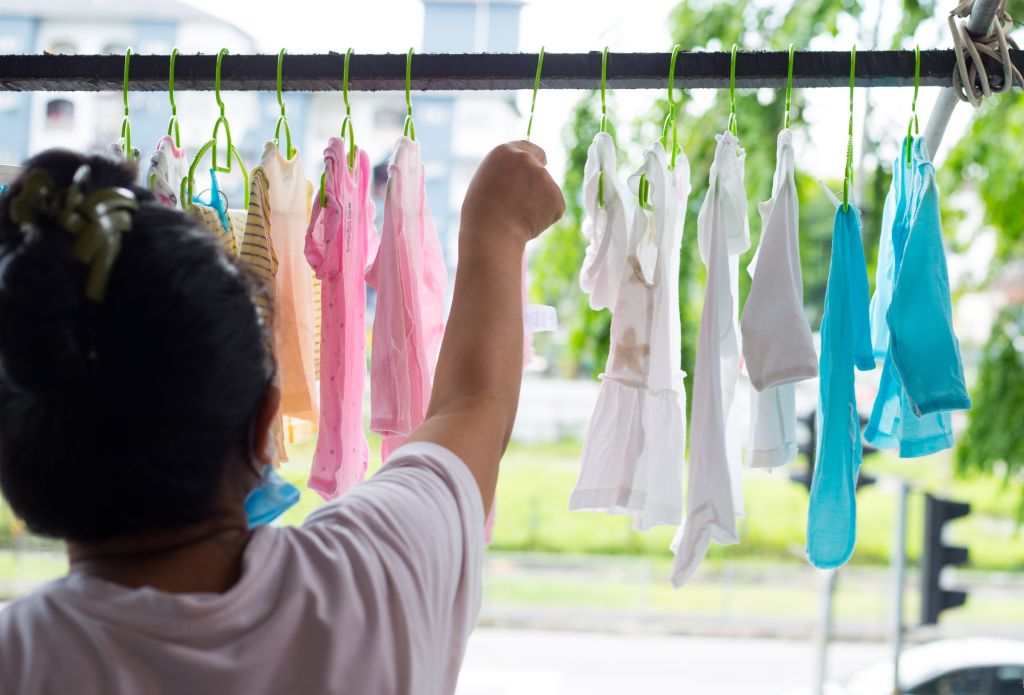
Baby clothing, towels, and bedding should be washed separately using mild detergents. Regular cleaning of high-touch surfaces such as doorknobs and light switches helps reduce germ transmission in shared households.
Environmental Safety and Daily Home Checks
A safe home environment, supported by consistent daily checks, plays an important role in preventing accidents during newborn care.
Temperature, Ventilation, and Air Quality
Singapore’s climate means indoor temperatures can fluctuate with air conditioning use. Babies should be dressed appropriately for the environment, avoiding overheating or chilling. Good ventilation is important, but direct airflow from fans or air conditioners should not blow onto the baby.
Managing Household Hazards
Items such as hot beverages, sharp utensils, and electrical cords should be kept well away from areas where the baby is handled. Even during confinement, normal household activities continue, and safety awareness must remain high.
Emergency Awareness and Preparedness
While emergencies are uncommon, being prepared and alert helps ensure a swift and appropriate response when a newborn shows signs of distress.
Recognising Warning Signs
While confinement nannies do not provide medical treatment, they should be familiar with red flags such as persistent fever, breathing difficulties, poor feeding, or unusual lethargy. Promptly informing parents allows timely medical attention.
Basic Emergency Readiness
Knowing where emergency contacts are displayed, understanding household routines, and staying calm under pressure are essential qualities. Any emergency response should follow parental instructions and local emergency procedures.
Daily Safety Responsibilities at a Glance
Safety Area | What to Check Daily | Purpose |
Sleep setup | Clear cot, firm mattress, baby on back | Reduces suffocation risk |
Feeding tools | Clean, sterilised bottles and teats | Prevents infection |
Bathing space | Non-slip surfaces, correct water temperature | Prevents falls and burns |
Home environment | Clear walkways, safe temperatures | Minimises accidents |
Hygiene routines | Handwashing, clean linens | Protects newborn immunity |
Professional Boundaries and Communication with Parents
Clear communication builds trust and safety. A confinement nanny in Singapore should document routines, note any changes in the baby’s behaviour, and check in regularly with parents. Concerns should be raised respectfully and promptly, without assumptions or alarmist language.
Professional boundaries also mean respecting parental choices, cultural practices, and household rules, as long as they do not compromise safety.
Confinement Nanny Singapore Safety Standards and Support from EliteMom & Me
Families searching for a reliable confinement nanny in Singapore prioritise safety knowledge alongside experience. EliteMom & Me supports this expectation by matching families with nannies who understand modern safety principles while respecting confinement traditions. Here at EliteMom & Me, we offer guidance and personalised support to help you make informed decisions during this important period.
Frequently Asked Questions
A confinement nanny focuses on newborn-specific care during the postpartum period, including safe feeding, handling, hygiene, and maternal support, while a babysitter typically provides short-term supervision for older infants or children.
Formal infant first aid training is beneficial but not legally required. However, familiarity with basic emergency awareness and prompt escalation to parents is considered a best practice in Singapore homes.
Some traditional practices may need adjustment to align with current safety standards. Open discussion between parents and the confinement nanny helps balance cultural preferences with evidence-informed care.
Clear expectations, written routines, and regular check-ins create transparency without micromanagement. Mutual respect supports a safer and more positive working relationship.
A confinement nanny should observe and report concerns but avoid giving medical advice. Any health-related decisions should be made by parents in consultation with qualified healthcare professionals.
