


Choosing a confinement nanny is an important decision for new parents in Singapore. One of the most frequently searched questions is whether a younger or older confinement nanny is better.
Age is often associated with experience, energy level, adaptability, and communication style, all of which are crucial deciding factors.
A nanny in Singapore should also be open to new, emerging medical advice, which is more often seen with younger individuals. But also, they should be experienced enough to provide nurturing support—a trait found in older individuals.
This guide explains the pros and cons of younger versus older confinement nannies, helping parents choose the right confinement nanny based on their postpartum needs.
Key Takeaways
- Energy vs. Experience: Younger nannies (late 20s–40s) typically offer higher physical stamina for demanding tasks, while older nannies (40s–60s+) bring years or decades of experience to the family.
- Modern vs. Traditional: Younger nannies are generally more tech-savvy and adaptable to modern medical advice and gadgets; older nannies excel in traditional postnatal recovery, herbal nutrition, and cultural customs.
- Parenting Experience Matters: Older nannies are often recommended for first-time parents who need a confident mentor, whereas younger nannies are a great fit for parents looking for a collaborative partner to help with a busy household.
- Adaptability & Communication: The potential for “clashing” beliefs is higher with older nannies set in their ways, and younger nannies may lack the deep-rooted confidence needed to handle complex newborn health issues independently.
What People Mean by a “Younger” and “Older” Confinement Nanny in Singapore
In general, younger confinement nannies are often in their late 20s to early 40s.
Older confinement nannies are typically in their late 40s to 60s or beyond.
These are broad ranges, and individual ability, training, and attitude matter far more than age alone. Still, age can influence working preferences, adaptability, and physical stamina.
Pros of a Younger Confinement Nanny
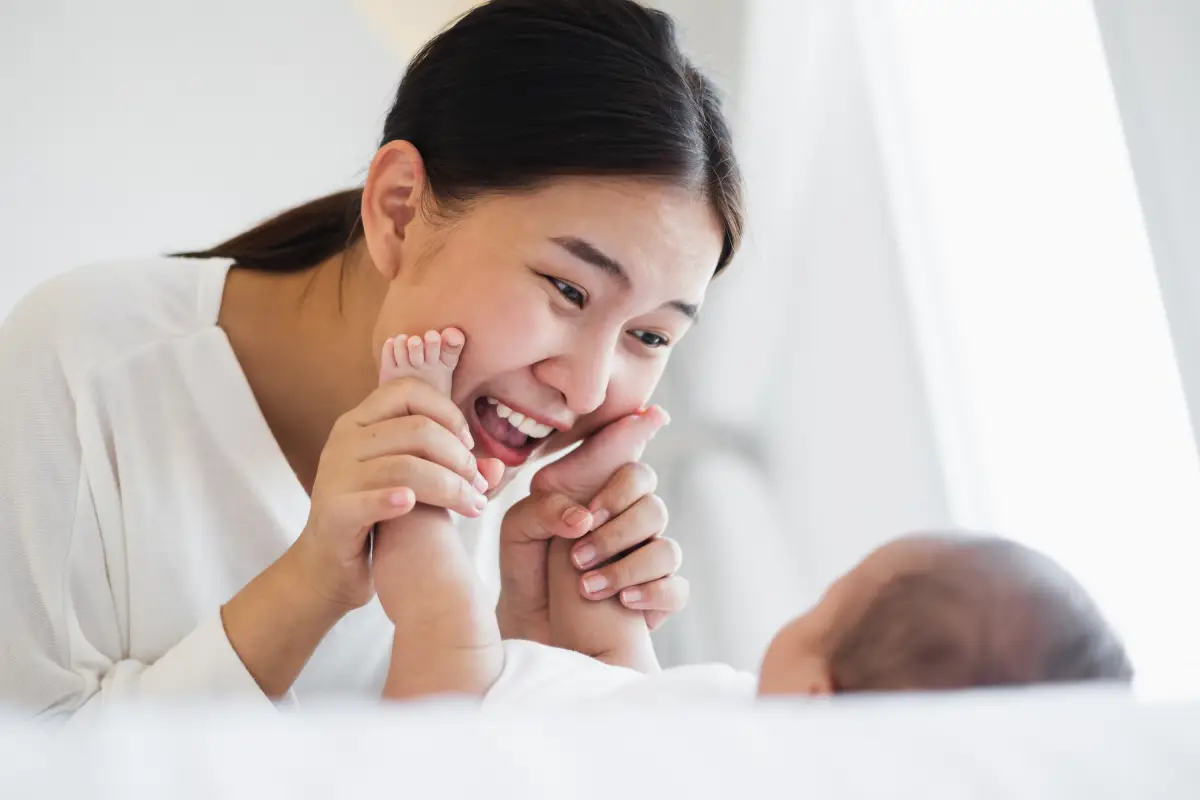
Younger confinement nannies are often:
- More physically energetic, which can be helpful during long nights, frequent feeds, and hands-on baby care.
- They may adapt more quickly to modern parenting approaches, such as updated safe-sleep practices, breast pump usage, and digital baby monitors.
- They are also more technologically-savvy, allowing them to be more amenable to communicating over the internet or staying up-to-date with information found on the internet.
Many younger nannies are also more open to learning new methods and following parents’ preferences closely, especially first-time parents who have done extensive research. Whereas older nannies will be more inclined to rely on “tried-and-tested” methods due to their years of experience.
Cons of a Younger Confinement Nanny
While younger confinement nannies can be energetic, they have fewer years of hands-on experience, particularly with more complex situations such as premature babies or mothers recovering from difficult births.
In certain cases, they may need clearer guidance when handling unexpected challenges, and confidence levels can vary depending on prior exposure and training.
Pros of an Older Confinement Nanny
Older confinement nannies often:
- Bring decades of experience and a strong sense of confidence to their work.
- They can determine newborn issues much more immediately. They have usually cared for many newborns and mothers, allowing them to recognise issues quickly and remain calm in stressful situations.
- Their traditional knowledge of confinement practices, diet, and postpartum recovery can be especially reassuring for families who value time-tested methods.
Much like a tenured worker in the workplace, these older nannies’ years (sometimes decades) of knowledge give new mommies and daddies the confidence to go about their new lives as parents.
Cons of an Older Confinement Nanny
Some older confinement nannies may be more accustomed to traditional approaches and less open to newer parenting methods.
Physical stamina can also vary, particularly during night duties or when caring for twins or high-needs babies.
Clear communication, plus some convincing, is important to ensure that older confinement nannies’ routines align with the parents’ preferences.
Which Is Better for First-Time Parents?

For first-time parents, the ideal confinement nanny is often someone who communicates clearly, explains routines patiently, and offers reassurance.
Both younger and older nannies can be suitable, depending on personality and experience. Some parents prefer older nannies for their calm confidence, while others value the flexibility and adaptability often seen in younger nannies.
Generally, however, first-time parents should seek the years of experience and expertise that older nannies bring to the table. These nannies have worked with multiple parents and likely also have raised children of their own, making them the best choice for first-time parents.
Confinement nanny services in Singapore see to it that they have a selection of experienced and tenured nannies to assist parents needing a bit more help.
Which Is Better for Second-Time Parents or Busy Families?
Families who have already gone through the tremors associated with first-time parenting have enough foundational experience to confidently raise their second and succeeding children on their own.
In these cases, a younger confinement nanny may be a good fit, as second-time parents wouldn’t need as much tenured experience as first-time parents do.
In addition, the relationship between second-time parents and younger nannies is likely to clash less over differing beliefs about newborn care. They will have similar experiences with raising infants, allowing them to have a more collaborative working relationship.
Key Factors More Important Than Age
Rather than focusing on age, parents should consider:
- Experience level
- Attitude
- Communication style
- Willingness to follow medical advice
- Compatibility with the family’s expectations
These aren’t always associated with age.
A well-trained confinement nanny, regardless of age, can provide excellent support during the postpartum period.
It’s therefore imperative that parents engage a nanny agency in Singapore. These agencies screen and train their nannies before they render services to their new employers, ensuring all the boxes are ticked and that both the newborn and the new mother receive the best possible support.
Final Thoughts
There is no single answer to whether a younger or older confinement nanny is better. Each age group brings different strengths, and the right choice depends on your family’s lifestyle and expectations.
By focusing on experience, communication, adaptability, and willingness to follow medical advice rather than age alone, parents in Singapore can confidently choose a confinement nanny who supports a smooth and positive postpartum recovery.
Frequently Asked Questions (FAQ)
Does the age of a confinement nanny really matter?
Age can influence working style and experience, but attitude, training, and communication are far more important than age alone.
Are older confinement nannies more experienced?
Many older confinement nannies have extensive hands-on experience, but younger nannies may also be highly skilled if they have proper training and exposure.
Are younger confinement nannies better for modern parenting methods?
Younger confinement nannies may adapt more quickly to updated practices, but many experienced older nannies are also open to learning when expectations are clearly communicated.
How should parents choose between a younger or older confinement nanny in Singapore?
Parents should prioritise compatibility, experience level, communication style, and willingness to follow professional and medical guidance.
